JET A-1,EN590 10PPM,D6 For Sale: Seller offering Tank Take Over TTO in Kazakhstan Ready For Lift
- Jose Pagan
- Apr 7
- 3 min read

Taking over a tank of petroleum products in Kazakhstan involves a clear, stepwise transaction process designed to ensure transparency, security, and compliance. Whether you are dealing with EN590 diesel, Jet A1 fuel, or D6 fuel oil, understanding the Tank Take Over (TTO) procedure is essential for buyers and sellers alike. This guide breaks down each step in detail, helping you navigate the transaction smoothly and avoid common pitfalls.

Understanding the JET A-1 EN590 10PPM D6 For Sale Products and Pricing
Before diving into the transaction steps, it’s important to know the products involved and their pricing structure: JET A-1 EN590 10PPM D6 For Sale
EN590 Diesel: Priced at $650.00/$640.00 per metric ton with a commission of $5.00.
Jet A1 : Priced at $98.00/$94.00 per barrel with a commission of $2.00.
D6: Priced at $1.10/$1.06 per gallon with a commission of $0.02.
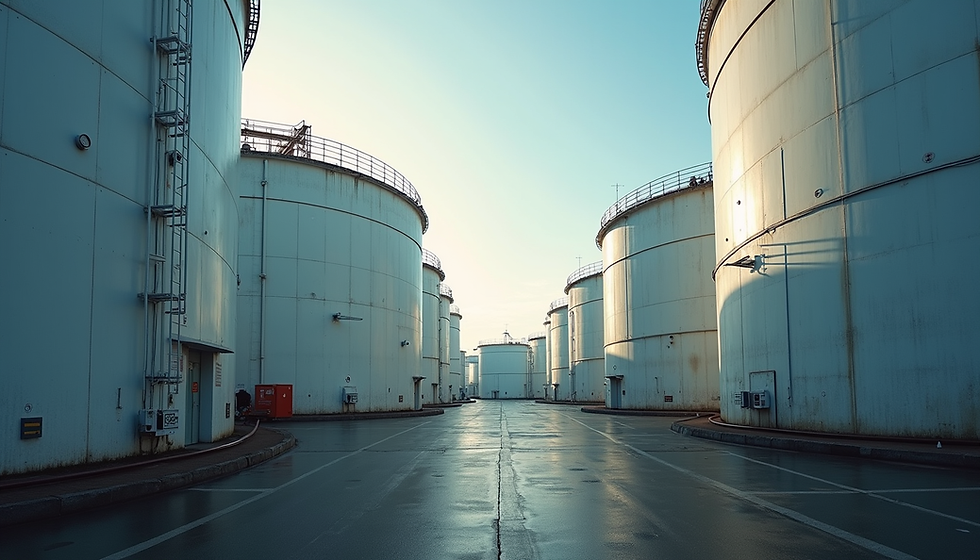
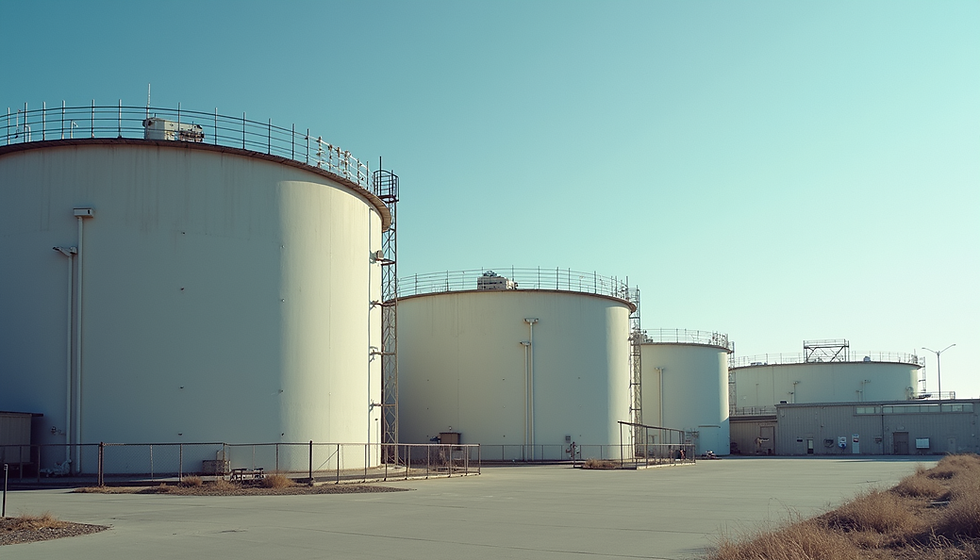
These prices reflect the market rates for products stored in leased tanks at Kazakhstan port terminals. The commission fees are paid to intermediaries or mandates involved in the deal.
Step 1: Buyer Issues ICPO and Required Documents
The transaction begins when the buyer issues an Irrevocable Corporate Purchase Order (ICPO). Along with the ICPO, the buyer must provide:
Company Registration Certificate
Data page of the buyer’s passport copy
This step confirms the buyer’s intent and legitimacy. The seller requires these documents to proceed.
Step 2: Seller Issues Commercial Invoice
Upon receiving the buyer’s ICPO, the seller issues:
A Commercial Invoice (CI) for the total quantity of product in the leased tank.
The Commercial Invoice details the product quantity and pricing, serving as a formal offer. The ICC Warning Letter protects both parties by outlining transaction terms.
Step 3: Buyer Endorses and Returns Documents
The buyer reviews, endorses, and returns the signed Commercial Invoice and ICC Warning Letter to the seller. This endorsement confirms the buyer’s agreement to the terms and allows the seller to proceed with final legalization.
Step 4: Seller Sends Proof of Product (PPOP) Documents
After acknowledging the signed documents, the seller provides the buyer with critical Proof of Product (PPOP) documents, including:
Legalized Commercial Invoice
Authorization to Verify (ATV)
Letter of Guarantee of Product
Commitments to Supply
Statement of Product Availability
Authorization to Sell & Collect (ATSC)
These documents verify the product’s existence, quality, and availability, giving the buyer confidence before proceeding.
Step 5: Buyer Verifies Product with Storage Company
The buyer contacts the storage company managing the leased tank to:
Verify the product’s presence and quality
Extend the tank lease if necessary
This step ensures the product is physically available and ready for transfer.
Step 6: Seller Issues Unconditional Dip Test Authorization (DTA)
The seller grants the buyer an unconditional Dip Test Authorization. This allows the buyer’s SGS (inspection) team to conduct a dip test on the product in the leased tank. The dip test measures the product quantity and quality.
Step 7: Buyer Conducts Dip Test and Receives Final POP Documents
The buyer’s SGS team conducts the dip test at the buyer’s expense. Upon successful testing, the seller releases final Proof of Product documents directly to the buyer’s secured email, excluding intermediaries. These include:
SGS Report
Pipeline Injection Report
Accreditation Certificate
Export License
Authorization to Sell & Collect (ATSC)
Product Allocation Certificate
Certificate of Origin
Product Passport
Company Registration Certificate
These documents finalize the product’s authenticity and readiness for sale.

Step 8: Buyer Makes Payment via MT103
The buyer transfers payment for the product through an MT103 swift transfer to the seller’s bank account. This method ensures secure and traceable payment. Within 48 hours of receiving payment, the seller pays commissions to all intermediaries involved in the transaction.
Step 9: Seller Issues Title Transfer and Buyer Takes Over Tank
After payment confirmation, the seller issues the title change or transfer of the product to the buyer. The buyer then fully takes over the tank and the product, completing the transaction.
Practical Tips for a Smooth Tank Take Over
Prepare all documents carefully: Missing or incorrect paperwork can delay the process.
Verify seller credentials: Confirm the seller’s legitimacy before issuing ICPO.
Use trusted inspection teams: SGS or equivalent inspection ensures product quality.
Maintain clear communication: Keep all parties informed to avoid misunderstandings.
Understand pricing and commissions: Clarify all costs upfront to prevent surprises.


Comments