D6 Virgin Oil For Sale:Navigating International Fuel Trade How to Secure a D6 Deal from Kazakhstan to Rotterdam
- Jose Pagan
- May 15
- 3 min read

Updated: 1 day ago
Securing a D6 fuel deal from Kazakhstan to Rotterdam involves a clear understanding of international trading procedures, product specifications, and logistical details. This post breaks down the process step-by-step, offering practical guidance for buyers interested in purchasing D6 fuel stored in Rotterdam’s Botlek Terminal. Whether you are new to fuel trading or looking to refine your approach, this guide will help you navigate the complexities of this international transaction.

Understanding the Product and Pricing For D6 Virgin Oil For Sale
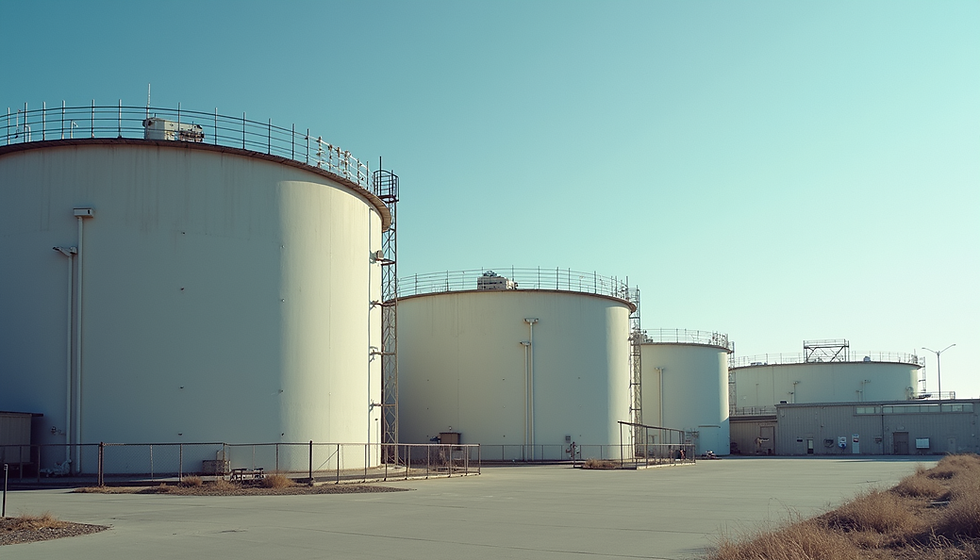
D6 fuel is a type of marine diesel oil commonly used in shipping and industrial applications. The product in this deal originates from Kazakhstan and is stored in the seller’s tanks at the Botlek Terminal in Rotterdam, a major European port hub.
Price: $1.20 per gallon for the first lift, $1.18 per gallon for subsequent lifts
Commission: $0.01 per gallon on the buy-side
Contract Term: 12 months
Minimum Monthly Volume: 500 million gallons
Maximum Monthly Volume: 1 billion gallons
Trail Lift: 100 million gallons
The large volumes involved require buyers to have strong financial backing and logistical capabilities to handle the product efficiently.
Step-by-Step International Trading Procedure
D6 For Sale
The transaction follows a tank takeover and title transfer verification (TTV) process. This ensures the buyer gains control of the product in the seller’s tanks before payment and shipment.
1. Buyer Issues ICPO and Accepts Seller’s Procedure
The buyer begins by accepting the seller’s working procedure and issuing an Irrevocable Corporate Purchase Order (ICPO). This formalizes the buyer’s intent and commitment to the deal.
2. Seller Issues Commercial Invoice (CI)
Once the ICPO is received, the seller issues a commercial invoice. The buyer reviews, signs, and returns the invoice to confirm the order details.
3. Seller Provides Tank Storage Receipt and Proof of Product
The seller issues a Tank Storage Receipt (TSR) to the buyer’s company. Along with this, the seller provides key documents including:
Company registration certificate
Product quality passport (dip test results)
Statement of product availability
Certificate of origin
These documents verify the product’s existence, quality, and legal origin.
4. Buyer Verifies Product and Takes Over Tanks
The buyer contacts the terminal where the product is stored and verifies the product in the tanks. The buyer then takes over the tanks for the agreed quantity and schedules a dip test through the tank company. This dip test produces a fresh analytical report by SGS or an equivalent inspection company.
The buyer receives a Dip Test Authorization Letter (UDTA) to conduct a quality and quantity inspection at the seller’s tank farm. After the dip test, the seller provides:
Injection report
Fresh SGS report or equivalent
Authority to sell and collect
Authority to verify the products in the tanks (ATV)
This step confirms the product’s quality and quantity before proceeding.

5. Signing NCNDA/IMFPA Agreement
After a successful dip test, all parties sign a Non-Circumvention, Non-Disclosure Agreement (NCNDA) and International Master Fee Protection Agreement (IMFPA). These agreements protect the interests of intermediaries and ensure confidentiality.
6. Product Injection and Payment
The seller injects the product into the buyer’s vessel or storage tanks. The buyer takes over the storage tanks and must complete payment within 48 hours via MT 103 or Telegraphic Transfer (TT) for the spot transaction. Upon payment, the seller issues all necessary export documents.
7. Finalizing the Transaction and Paying Intermediaries
Upon conclusion of the first lift transaction, the Seller pays all intermediaries involved in the
Transaction and proceeds with the signing of the contract with the Buyer.
Key Considerations for Buyers
Financial Preparedness
Handling volumes between 500 million and 1 billion gallons monthly requires significant capital. Buyers should ensure they have the financial capacity to make payments promptly and manage logistics.
Quality Assurance
The dip test and SGS reports are critical to verify product quality. Buyers should insist on fresh analytical reports to avoid disputes.
Legal Documentation
Ensure all agreements, including NCNDA and IMFPA, are reviewed by legal experts. These documents protect your interests and clarify responsibilities.
Logistics and Storage
Coordinate closely with the terminal operators at Botlek to manage tank takeovers and scheduling of dip tests. Efficient logistics reduce delays and additional costs.

Final Thoughts on Securing a D6 Fuel Deal
Securing a D6 for sale deal from Kazakhstan to Rotterdam requires clear communication, thorough verification, and strict adherence to international trading procedures. Buyers who follow the outlined steps can confidently manage the transaction, ensuring product quality and timely delivery.
Start by confirming your financial readiness and understanding the contract terms. Then, engage with the seller to receive all necessary documentation and schedule product verification. With careful planning, you can successfully navigate this complex fuel trade and build a reliable supply chain.D6 Virgin Oil


Comments