ESPO Spot FOB Dip and Pay Procedure for Tank to Tank Delivery

Spot crude transactions move fast, but the safest ones still follow a disciplined paper trail. In a tank-to-tank ESPO FOB deal, the buyer needs proof that product exists in a named tank, the seller needs evidence that the buyer can receive and pay, and both sides need an inspection path that does not leave room for confusion.
This guide lays out a practical ESPO Spot FOB Dip and Pay Procedure for Tank to Tank Delivery based on the commercial terms provided: ESPO crude, spot FOB tank-to-tank delivery, SGS inspection, MT103 payment, and delivery through major storage hubs such as Rotterdam, Houston, Jurong, and Fujairah.
This content is for commercial information only. It is not legal, financial, compliance, or sanctions advice. Every party should run independent due diligence before signing or paying.

Commercial summary of the ESPO spot offer
The transaction described is for ESPO crude supplied under spot FOB terms, with room for recurring monthly deliveries after the first lift. The structure is built around a dip-and-pay model, meaning the buyer inspects the product in the seller’s tank before payment and title transfer.
Term | Commercial detail |
Product | ESPO crude |
Minimum quantity | 10,000 BBL per month |
Maximum quantity | 3,000,000 BBL per month |
First lift quantity | 1,000,000 barrels, with R/E x12 structure |
CIF price | Gross USD $110.00 per barrel, net USD $106.00 per barrel |
FOB price | Gross USD $100.00 per barrel, net USD $96.00 per barrel |
Payment terms | T/T wire transfer and MT103 |
Inspection | SGS |
Commission | USD $2 buy-side |
Delivery method | Tank-to-tank spot FOB dip and pay |
Listed hubs | Rotterdam, Houston, Jurong, Fujairah |
The FOB structure is central here. Under FOB, the seller’s obligation is tied to making the product available at the agreed loading location under the contract terms. For tank-to-tank delivery, that usually means the product is in the seller’s tank and will be injected into the buyer’s receiving tank after a successful dip test and payment completion.
CIF pricing is also listed, but the procedure supplied is written around spot FOB tank-to-tank delivery. If buyer and seller later choose CIF delivery, the contract needs a separate delivery and risk-transfer structure that matches CIF terms.
Why dip and pay matters in tank-to-tank delivery
Dip and pay is designed to reduce the main risk in spot fuel and crude oil transactions: paying before the buyer has verified product. The buyer does not rely only on a commercial invoice or a soft corporate offer. The buyer receives proof of product documents, arranges an independent inspection, confirms the tank and volume, then pays after the dip test succeeds.
For this type of deal, the inspection step often carries real weight. A fresh SGS report, tank storage receipt, injection report, and dip test authorization help confirm that the product is present, measurable, and accessible.
A good dip-and-pay procedure should answer four questions:
Is the product physically in the tank?
Does the seller have authority to sell and transfer title?
Can the buyer access the tank for inspection?
Can the buyer receive the injected product immediately after payment?
If any of those answers remain unclear, the transaction should pause until the documents and logistics line up.

Step-by-step FOB dip and pay procedure
The procedure below follows the sequence provided and explains the commercial purpose of each stage.
1. Buyer issues the ICPO with required documents
The buyer begins by issuing an Irrevocable Corporate Purchase Order, often called an ICPO. This document should contain the seller’s working procedure, buyer banking details, and the required buyer identification documents.
The provided procedure also calls for:
Scanned copy of buyer’s passport
Tank Storage Agreement, known as TSA
Buyer’s banking details
Sensitive documents should move only through secure and verified channels. Passport copies, banking details, and tank agreements should never be circulated loosely through unverified intermediaries.
A clean ICPO should match the proposed deal terms. That means product, quantity, price, port, payment method, inspection terms, and delivery method should not conflict with later documents.
2. Seller issues the commercial invoice
After receiving and reviewing the ICPO package, the seller issues a Commercial Invoice for product in tanks at the nominated port. The buyer and the buyer’s logistics provider review, sign, and return the invoice to the seller.
At this stage, the invoice should be checked against the main commercial terms:
Invoice item | What to check |
Product | ESPO crude stated clearly |
Quantity | Matches first lift or agreed spot volume |
Port | Rotterdam, Houston, Jurong, Fujairah, or agreed terminal |
Price | FOB gross USD $100.00 and net USD $96.00 per barrel, if FOB applies |
Payment method | MT103 or agreed T/T wire language |
Inspection | SGS dip test before payment |
Delivery | Tank-to-tank injection after successful dip test |
The commercial invoice is not a substitute for proof of product. It is part of the transaction trail, not the final evidence that the product exists.
3. Seller provides the PPOP package
The seller then issues the Partial Proof of Product, or PPOP. In many spot transactions, this is the point where weak offers separate from workable ones. The PPOP should be consistent, recent, and verifiable.
The listed PPOP documents include the following:
GPS coordinates and Tank Storage Receipt, known as TSR
Injection Report
Unconditional Dip Test Authorization letter, known as DTA
Authorization to Sell and Collect, known as ATSC
Authorization to Verify, known as ATV
Fresh SGS report in the seller’s tank
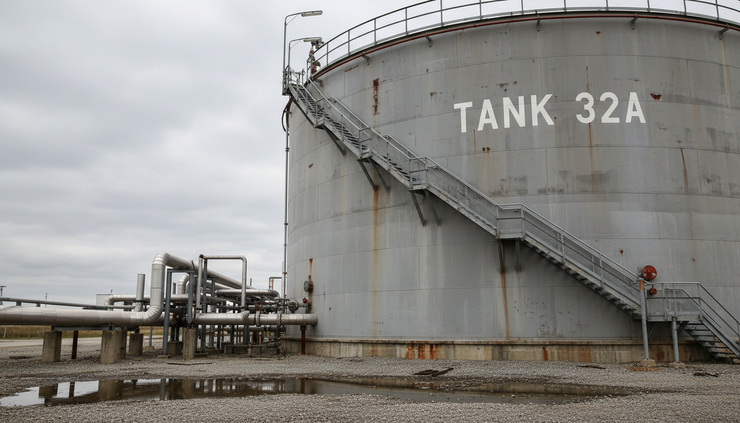
Each document has a purpose. The tank storage receipt connects the product to a storage location. GPS coordinates support tank verification. The injection report helps show movement into the seller’s tank. The DTA gives the buyer permission to conduct the dip test. The ATSC supports the seller’s authority to sell and collect payment. The ATV allows direct verification with the relevant parties.
A document package is only useful if it can be verified. Buyers should confirm tank details with the terminal or storage provider through approved verification routes.
4. Seller issues NCNDA and IMFPA for all intermediaries
The seller then issues the NCNDA and IMFPA to the buyer and all intermediaries involved in the transaction.
The NCNDA, or Non-Circumvention and Non-Disclosure Agreement, protects parties from being bypassed or having confidential transaction information misused. The IMFPA, or Irrevocable Master Fee Protection Agreement, sets out how commissions will be distributed.
For this offer, the stated commission is USD $2 buy-side. The commission language should be clear before inspection and payment. That includes who receives payment, when payment is due, and what event triggers commission release.
A clean commission arrangement reduces disputes after the buyer pays. It also helps prevent last-minute changes that can delay title transfer or product injection.
5. Buyer arranges SGS inspection and sends TSR
The buyer appoints SGS at the buyer’s expense to carry out the dip test in the seller’s tank. The buyer also sends the required TSR for the receiving tank, proving that the buyer has storage capacity ready for injection.
This is a key stage because both sides must be ready at the same time. The seller’s product must be available for inspection, and the buyer’s tank must be ready to receive the injected product. If the buyer cannot provide a valid receiving tank, the transaction may stall even if the seller’s product is genuine.
The inspection should confirm core points such as product presence, quantity, and quality against the relevant documents and contract specifications. The exact scope should be stated in the agreement and SGS appointment instructions.
6. Product is injected after a successful dip test
Once the dip test succeeds, the product is immediately injected into the buyer’s tank. The buyer then makes payment by MT103, and the seller transfers title ownership to the buyer.
This stage should be tightly coordinated. The buyer’s bank, seller’s bank, terminal, inspector, and logistics provider all need matching instructions. The contract should define what counts as a successful dip test and what documents trigger the payment obligation.
The title transfer should also be clear. A seller should not claim title has transferred before the agreed payment and release conditions are met. A buyer should not claim product rights before completing the payment terms stated in the signed documents.
7. Seller pays commissions within 72 hours
After the seller receives the buyer’s payment, commissions are distributed to the approved intermediaries within 72 hours.
The commission payout should follow the signed NCNDA/IMFPA. Intermediaries should avoid relying on informal payment promises, especially in multi-party commodity transactions. Fee protection works best when it is signed, specific, and tied to the actual completed lift.
8. Buyer and seller finalize subsequent deliveries
After the first successful lift, the buyer and seller can finalize the contract for subsequent monthly deliveries. The provided quantity range allows for 10,000 BBL per month up to 3,000,000 BBL per month, with the first lift stated as 1,000,000 barrels and R/E x12.
For recurring deliveries, the agreement should set a practical schedule. It should cover nomination timing, port availability, inspection windows, storage obligations, payment deadlines, and the process for adjusting monthly volumes.
Key documents and why they matter
Commodity documents can look repetitive, but each one carries a different function. A buyer should not treat a thick document package as automatic proof. The quality of the documents matters more than the number of pages.
Document | Purpose in the transaction |
ICPO | Confirms buyer’s formal purchase intent and terms |
TSA | Shows buyer has tank storage access |
Commercial Invoice | States seller’s invoice terms for the product |
TSR | Confirms product or receiving tank storage details |
Injection Report | Shows movement of product into storage |
DTA | Allows buyer to conduct the dip test |
ATSC | Supports seller authority to sell and collect |
ATV | Allows verification of listed details |
SGS Report | Provides independent inspection support |
NCNDA/IMFPA | Protects intermediary roles and fee payments |
MT103 | Confirms international wire payment instruction |
For any ESPO crude oil procedure, consistency across these documents is essential. Names, quantities, tank numbers, dates, ports, and payment instructions should align from one document to the next.
Practical checks before signing or paying
Before moving to inspection or payment, both parties should complete basic verification. These checks are not complicated, but they often prevent costly problems.
Buyer-side checks should include:
Confirm seller identity and signing authority
Verify tank storage details through proper channels
Match SGS inspection instructions to the contract
Confirm the receiving tank can accept the full volume
Check that payment terms match bank requirements
Review sanctions, import, and compliance restrictions
Seller-side checks should include:
Confirm buyer identity and authority
Verify buyer storage capacity
Confirm buyer bank readiness for MT103 payment
Validate intermediaries listed in the IMFPA
Confirm inspection timing with the terminal
Make title transfer conditions clear in writing
A serious transaction should withstand basic questions. If a party refuses reasonable verification, changes bank details at the last minute, or pushes for payment before agreed inspection, that is a reason to slow down.

Final takeaway
A workable ESPO spot FOB dip-and-pay transaction depends on order, verification, and timing. The buyer starts with a complete ICPO and storage readiness. The seller responds with a commercial invoice and verifiable PPOP. SGS inspection confirms the product before payment. After a successful dip test, the product is injected into the buyer’s tank, payment moves by MT103, title transfers, and commissions are paid under the signed fee agreement.
The safest next step is to turn the procedure into a clean contract checklist. Every document should match the agreed product, quantity, price, port, inspection method, payment route, and title-transfer trigger before anyone proceeds.


Comments