JET A-1 EN590 10PPM D6 For Sale: Comprehensive Guide to Bulk Fuel Procurement:
- Jose Pagan
- Apr 7
- 4 min read

The global fuel market demands reliable, large-scale supply chains that ensure quality and timely delivery. For buyers and sellers dealing with EN590 10PPM diesel, Virgin Fuel Oil D6, and Jet A-1 fuel, understanding the process from tank to vessel at strategic ports like Port Jurong is essential. This post breaks down the key details, quantities, pricing, and transaction steps involved in spot contracts for these fuels, helping stakeholders navigate the complexities of international fuel procurement.

Overview of Fuel Products and Quantities : For sale EN590 10PPM JET A-1 D6
The fuels involved in this supply chain include:
EN590 10PPM Diesel: Ultra-low sulfur diesel with sulfur content capped at 10 parts per million, meeting stringent environmental standards.
Virgin Fuel Oil D6: A high-quality, low-sulfur marine fuel oil used primarily in shipping.
Jet A-1 Fuel: Aviation turbine fuel widely used in commercial aircraft.
Quantity Ranges for Spot Contracts
EN590 10PPM Diesel
- Minimum: 100,000 metric tons
- Maximum: 400,000 metric tons
- Pricing: CIF Gross $630/mt, Net $620/mt
Virgin Fuel Oil D6
- Minimum: 31,500,000 gallons
- Maximum: 126,000,000 gallons
- Pricing: CIF Gross $0.94/gallon, Net $0.90/gallon
- Commission: $0.02/gallon Buy-Side
Jet A-1 Fuel
- Minimum: 1,000,000 barrels
- Maximum: 3,000,000 barrels
- Pricing: CIF Gross $94/barrel, Net $90/barrel
- Commission: $0.02/barrel Buy-Side
These quantities reflect the scale required for spot contracts, typically involving large buyers such as fuel distributors, airlines, and shipping companies.
Pricing and Commission Structure
Pricing is quoted on a CIF (Cost, Insurance, and Freight) basis, meaning the seller covers the cost of the product, insurance, and freight to the destination port. The gross price includes commissions, while the net price excludes them.
EN590 10PPM Diesel
The gross price is $630 per metric ton, with a net price of $620 per metric ton. This pricing reflects the premium quality and compliance with environmental standards.
Virgin Fuel Oil D6
The gross price is $0.94 per gallon, with a net price of $0.90 per gallon. The buyer pays a $0.02 per gallon commission on the buy side.
Jet A-1 Fuel
The gross price is $94 per barrel, with a net price of $90 per barrel. The commission is $0.02 per barrel on the buy side.
Understanding these pricing details helps buyers budget accurately and negotiate effectively.
Step-by-Step Transaction Process
The transaction process for purchasing these fuels involves several key steps to ensure security, compliance, and mutual agreement.
1. Buyer Submits Irrevocable Corporate Purchase Order (ICPO)
The buyer initiates the process by submitting an ICPO along with essential documents:
Customer Information Sheet (CIS)
Certificate of Incorporation
Passport copy of the authorized signatory
These documents verify the buyer’s legitimacy and authority to enter into the contract.
2. Seller Reviews and Issues Sale and Purchase Agreement (SPA)
Upon receiving the ICPO and documents, the seller reviews them and drafts the SPA. This agreement is subject to amendments by mutual consent.
3. Buyer Completes and Returns SPA
The buyer completes, signs, and returns the SPA in Word format within three business days. The seller then countersigns and provides the final executed SPA in PDF format, along with:
Certificate of Incorporation
Product Quality Passport (Analysis Test Report)
Export License
Proforma Invoice
Commitment Letter to Supply
These documents confirm product quality, legal compliance, and commitment to supply.

4. Buyer’s Bank Issues SBLC or Provides Security Guarantee
The buyer’s bank must issue an irrevocable, transferable, and automatically renewable Standby Letter of Credit (SBLC) via SWIFT MT760. This SBLC covers 100% of the value of each monthly shipment for the entire 12-month contract period. It must comply with the seller’s nominated bank terms and be sent within seven banking days.
If the SBLC cannot be issued, the buyer must remit 5% of the shipment value within three banking days via TT (SWIFT MT103) as a security guarantee.
This financial arrangement protects both parties and ensures payment security.
Importance of Port Jurong in Fuel Supply
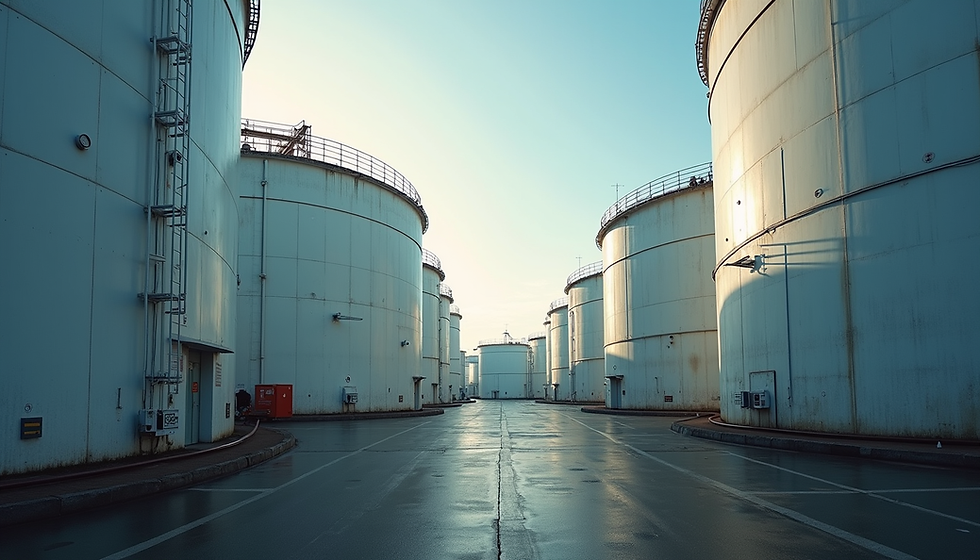
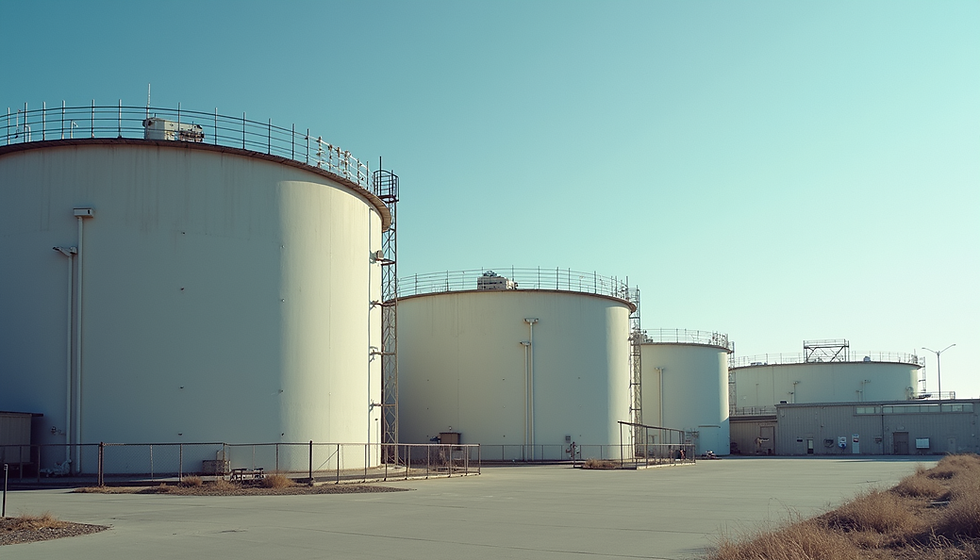
Port Jurong, located in Singapore, is a strategic hub for fuel storage and transshipment in Southeast Asia. Its modern infrastructure supports large-scale tank-to-vessel operations, making it ideal for handling EN590 10PPM diesel, Virgin Fuel Oil D6, and Jet A-1 fuel.
Efficient Loading and Delivery
The port’s facilities enable quick and safe loading of fuels onto vessels, reducing turnaround times.
Compliance and Quality Control
Port Jurong enforces strict quality checks and environmental regulations, ensuring fuel meets international standards.
Connectivity
Its location offers easy access to major shipping routes, facilitating timely delivery to global markets.

Practical Tips for Buyers and Sellers
Verify Documentation Early
Ensure all corporate and product documents are authentic and up to date to avoid delays.
Understand Pricing Components
Clarify gross vs. net pricing and commissions to avoid surprises in final costs.
Plan Financial Instruments Carefully
Work closely with your bank to prepare the SBLC or security guarantee promptly.
Communicate Clearly
Maintain open communication with the seller to resolve any SPA amendments quickly.
Inspect Product Quality
Review the Product Quality Passport carefully to confirm fuel specifications.
Conclusion
For sale EN590 10PPM JET A-1 D6 In conclusion, navigating the complexities of bulk fuel procurement requires a thorough understanding of the products, pricing structures, and transaction processes involved. By adhering to the outlined steps and maintaining clear communication, buyers and sellers can ensure a smooth transaction process. The strategic location of Port Jurong further enhances the efficiency of this supply chain, making it a pivotal point for fuel distribution in the region.
For further insights and detailed procedures, I recommend reviewing the NEW-NBG -CIF PROCEDURE JET A-1, EN590 10PPM, D6.

Comments