LNG

LNG (Liquefied Natural Gas)
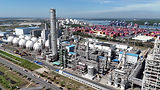
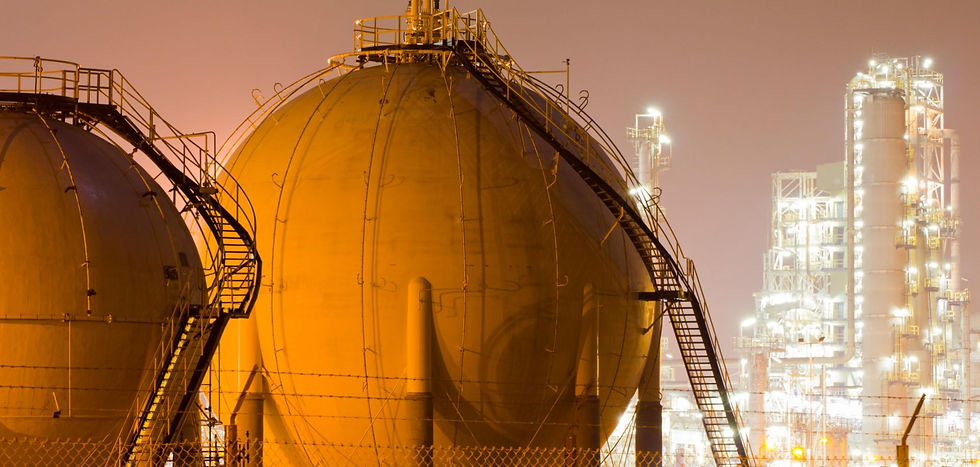
Our company possesses access to a select number of refineries globally capable of producing this product, potentially offering it at a discounted price. Liquefied Natural Gas (LNG), which is natural gas cooled to a liquid state at approximately -260°F (-162°C), undergoes a liquefaction process that drastically reduces its volume. This allows for efficient transportation and storage via maritime and terrestrial methods, particularly when pipeline infrastructure is unavailable. LNG is primarily composed of methane and is utilized for heating, electricity generation, and as a fuel source in heavy-duty vehicles, although its application is subject to ongoing discussion due to environmental considerations and the advancement of renewable energy technologies.

ORIGIN
Non-Russian/Non-Sanctioned OPEC Member countries, or EU
International relations
Non-sanctioned trade: A country or entity engages in trade with a foreign party that is subject to economic sanctions by another nation, such as the U.S. Office of Foreign Assets Control (OFAC).
PRODUCT DESCRIPTION
-
Composition: Natural gas is predominantly methane (
CH4cap C cap H sub 4
𝐶𝐻4), with small amounts of other hydrocarbons.
-
Production: The liquefaction process cools natural gas to approximately -260°F (-162°C) at atmospheric pressure. This process removes impurities and shrinks the gas's volume by about 600 times.
-
Reconversion: Before it can be used, LNG is returned to a gaseous state through a process called regasification.
-

KEY CHARACTERISTICS
The key characteristic of LNG fuel is its cryogenic liquid state, which allows for a dramatic reduction in volume for efficient storage and transport.
Natural gas is cooled to approximately-162∘negative 162 raised to the composed with power−162∘C (-260∘negative 260 raised to the composed with power−260∘F), transforming it into a liquid that takes up about 1/600th of its gaseous volume.
Other important characteristics of LNG include:
Appearance and composition: LNG is a clear, colorless, odorless, and non-toxic liquid composed primarily of methane.
Non-combustible in liquid form: LNG itself is not flammable or explosive as a liquid. Its vapors only become combustible when they warm and mix with air in a specific concentration range (5% to 15%) and encounter an ignition source.
Evaporates quickly: If spilled, LNG evaporates rapidly upon contact with the much warmer ground or water. It does not seep into the soil or affect water quality, though it is a powerful greenhouse gas.
Cryogenic properties: Due to its extremely cold temperature, LNG requires special, heavily insulated storage tanks and specialized equipment to prevent it from turning back into a gas.
Environmental profile: As a cleaner-burning fossil fuel than coal or oil, it produces significantly lower emissions of carbon dioxide (CO2cap C cap O sub 2𝐶𝑂2), nitrogen oxides (NO xcap N cap O sub x𝑁𝑂𝑥), and particulate matter when combusted.
Storage density: While the liquefaction process makes it much more compact than natural gas, its volumetric energy density is lower than that of gasoline or diesel, meaning more storage capacity is required for vehicles.

Specifications and Standards
-
Specifications for LNG fuel vary by application, but generally include parameters like methane number, heating value, and limits on contaminants like sulfur and hydrogen sulfide. Key standards organizations such as ASTM International (D8080) provide specifications for motor vehicle fuels, while the International Organization for Standardization (ISO) sets standards for marine applications (ISO 20519) and general fuel quality (ISO 23306). Regulatory bodies like the Pipeline and Hazardous Materials Safety Administration (PHMSA) (49 CFR Part 193) and the Federal Energy Regulatory Commission (FERC) also establish safety and operational standards for LNG facilities.
-
Key Specification Parameters
-
Methane Number:A measure of LNG's anti-knock tendency, crucial for engine performance.
-
Hydrocarbon Content:Specific concentrations of methane, ethane, propane, and other hydrocarbons that affect energy content and combustion characteristics.
-
Heating Value:The energy content of the fuel, often expressed in British thermal units (BTU) per cubic foot.
-
Inerts:Gasses like nitrogen (N2) and carbon dioxide (CO2) that reduce the fuel's energy content and need to be limited.
-
Contaminants:Limits are placed on sulfur (S) and hydrogen sulfide (H2S) to prevent equipment damage and meet environmental regulations.
-
Water Content:Controlled to prevent freezing and blockages in the fuel system.
-
Relevant Standards and Regulations
-
ASTM International D8080:Defines minimum quality requirements for LNG and CNG as motor vehicle fuels, covering parameters like methane content and heating value.
-
ISO 20519:Specifies safety and fuel quality standards for the bunkering of LNG-fueled vessels, covering hardware, operational procedures, and personnel training.
-
ISO 23306:Provides quality requirements for LNG as a fuel for marine applications, identifying key parameters and test methods.
-
PHMSA 49 CFR Part 193:Establishes safety standards for LNG facilities, including regulations for containers, transfer systems, and thermal exclusion zones.
-
Federal Trade Commission (FTC):Mandates specific retail sale requirements and labeling standards for natural gas fuels under 16 CFR Part 306.
-
FERC Regulations:Under the Natural Gas Act, FERC authorizes the siting and construction of LNG facilities and issues certificates for interstate transportation.
-
-
LNG is a versatile fuel used across multiple sectors:
-
Shipping: It is a growing alternative fuel for large ocean-going ships and tankers to meet stricter emissions regulations.
-
Transportation: It can be used for long-range trucks and other heavy-duty vehicles.
-
Industrial: It powers manufacturing processes for products like steel, paper, and glass.
-
Electricity generation: Power plants can store and use LNG as a backup fuel when demand is high or pipeline supply is limited.
-
Commercial and residential: It is used for heating and cooking in areas where pipeline gas delivery is not feasible.
-
-
vs. Diesel:LNG burns cleaner, producing significantly fewer SOx, NOx, and particulate emissions.
-
vs. Gasoline:LNG has a higher energy density than gasoline.
-
vs. Propane:Unlike propane, LNG is not flammable when in a liquid state.
-
vs. Traditional Marine Fuels:LNG offers lower emissions and meets stringent regulations, such as those from the International Maritime Organization (IMO).
-
